Foundation Excavation for Montrose-Area Builds
Basement, Footing & Crawl Space Digs for Homes, Additions & Commercial Buildings
Getting the Ground Ready for Your Foundation
A foundation is only as good as the hole it sits in. If the dig is off on depth, the walls aren't square to the plans, or the bottom isn't firm, those problems carry into everything built on top. El Chapin Excavation digs foundations for new homes, additions, garages, shops, and commercial buildings throughout the Montrose area.
We excavate to the depth and footprint on your plans, leave working room for the concrete crew, break out rock when we hit it, and handle the extra soil. Once the walls are in, we come back to backfill and compact around them.
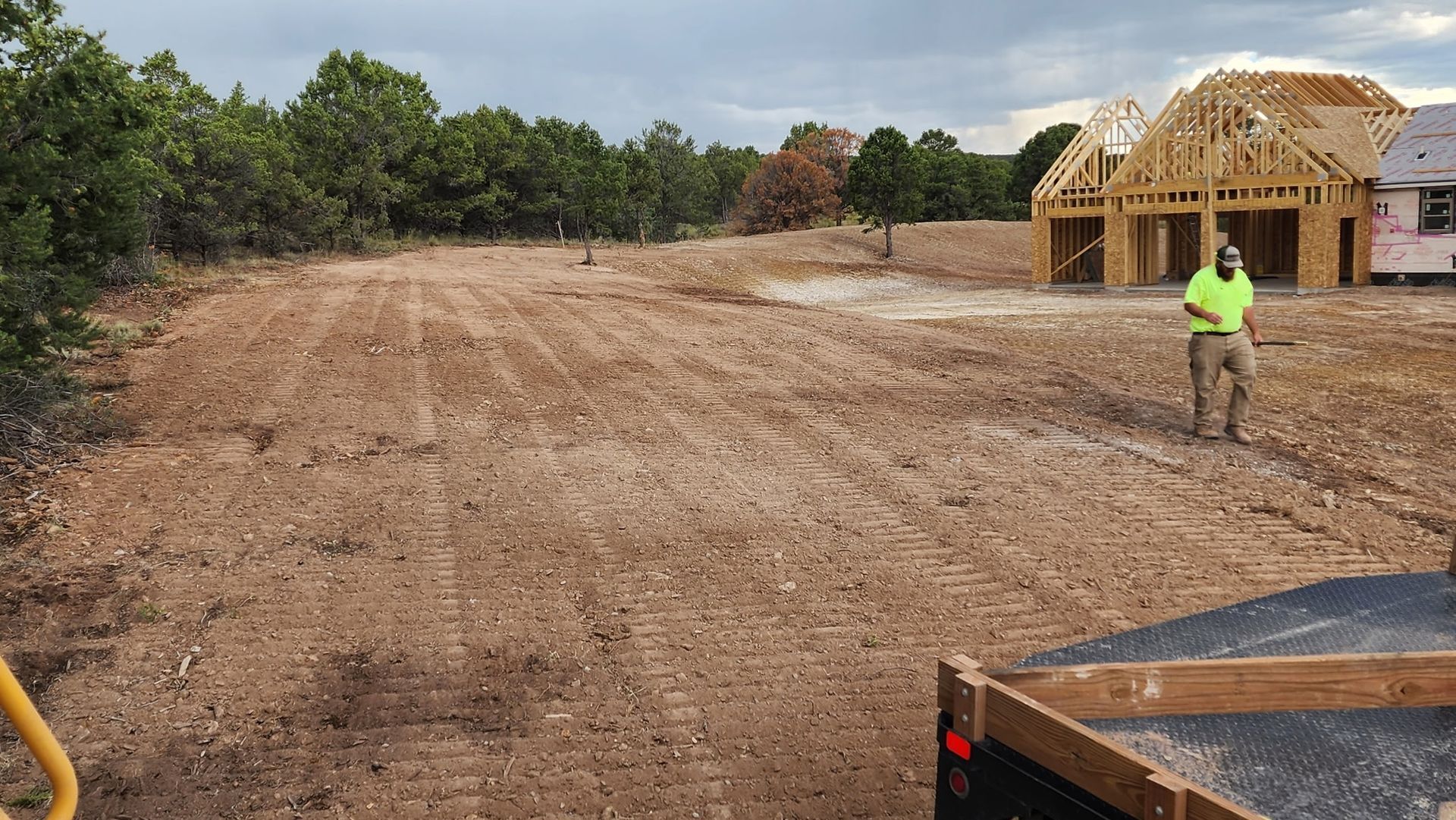
How Foundation Excavation Works
Site Visit & Planning
We walk the lot, review your plans and survey stakes, and look at access, soil, and where the excavated dirt will go.
Utility Locates
Underground lines are marked through Colorado 811 before any digging begins.
Digging to Depth
We excavate to the depth and dimensions in your plans, with extra room around the edges for forms and footings.
Stockpiling Soil
Extra dirt is hauled off or stockpiled on site so it can be used for backfill and final grading later.
Backfill
After the foundation walls are poured and ready, we backfill around them in layers and compact each one.
Basement, Crawl Space or Slab: Which Fits Your Build?
Your builder or engineer usually decides the foundation type, but knowing the differences helps you plan for cost and timing. Many builds around Montrose also call for a soil report, since expansive clay can affect which option an engineer recommends.
Full Basement
The deepest dig, and the most added space for living or storage. It also means the most excavation and hauling, and rock or groundwater can add time.
Crawl Space
A shallower dig that keeps plumbing and ductwork reachable under the house. Crawl spaces are a common fit for sloped lots.
Slab-on-Grade
Footings set below the frost line with a concrete slab on top. It's the least digging, but it depends on a well-compacted base.
Signs Your Project Is Ready for a Foundation Dig
- Your plans are drawn and your building permit is approved or in progress.
- The lot has been cleared and the corners of the structure are staked.
- You're adding a room, garage, or addition that needs new footings.
- Your builder needs a basement or crawl space dug before the concrete crew arrives.
- You're putting up a shop, barn, or commercial building on a new pad.
Common Questions About Digging a Foundation
How deep does foundation excavation go in Colorado?
It depends on the foundation type and the frost depth set by your local building code. Footings always need to sit below the frost line, and basements go deeper to fit full-height walls.
How much does foundation excavation cost?
Foundation excavation cost comes down to the size and depth of the dig, soil and rock conditions, site access, and how far the extra dirt has to be hauled. We review your plans and the lot, then quote the job.
What happens if you hit rock during foundation excavation?
We break it out with a rock breaker or remove it with the excavator. Large rock can add time to the dig, so we look for signs of it during the site visit.
Who handles backfill after foundation excavation?
We do. Once the walls have cured and any waterproofing or drain tile is in place, we backfill and compact around the foundation.