
Pond & Ditch Excavation Shaped for Western Slope Land
Farm Ponds, Retention Ponds, Irrigation Ditches & Drainage Channels Around Montrose
Putting Water Where You Want It on Your Land
A pond can water livestock, store irrigation water, hold stormwater runoff, or add a natural feature to your property. Getting one to work comes down to location, depth, bank slope, and soil that will actually hold water.
El Chapin Excavation digs ponds, irrigation ditches, and drainage channels for ranches, farms, rural homes, and commercial sites around Montrose. We shape and compact the banks, set up a safe path for overflow, and use excavated soil on site wherever it's useful.
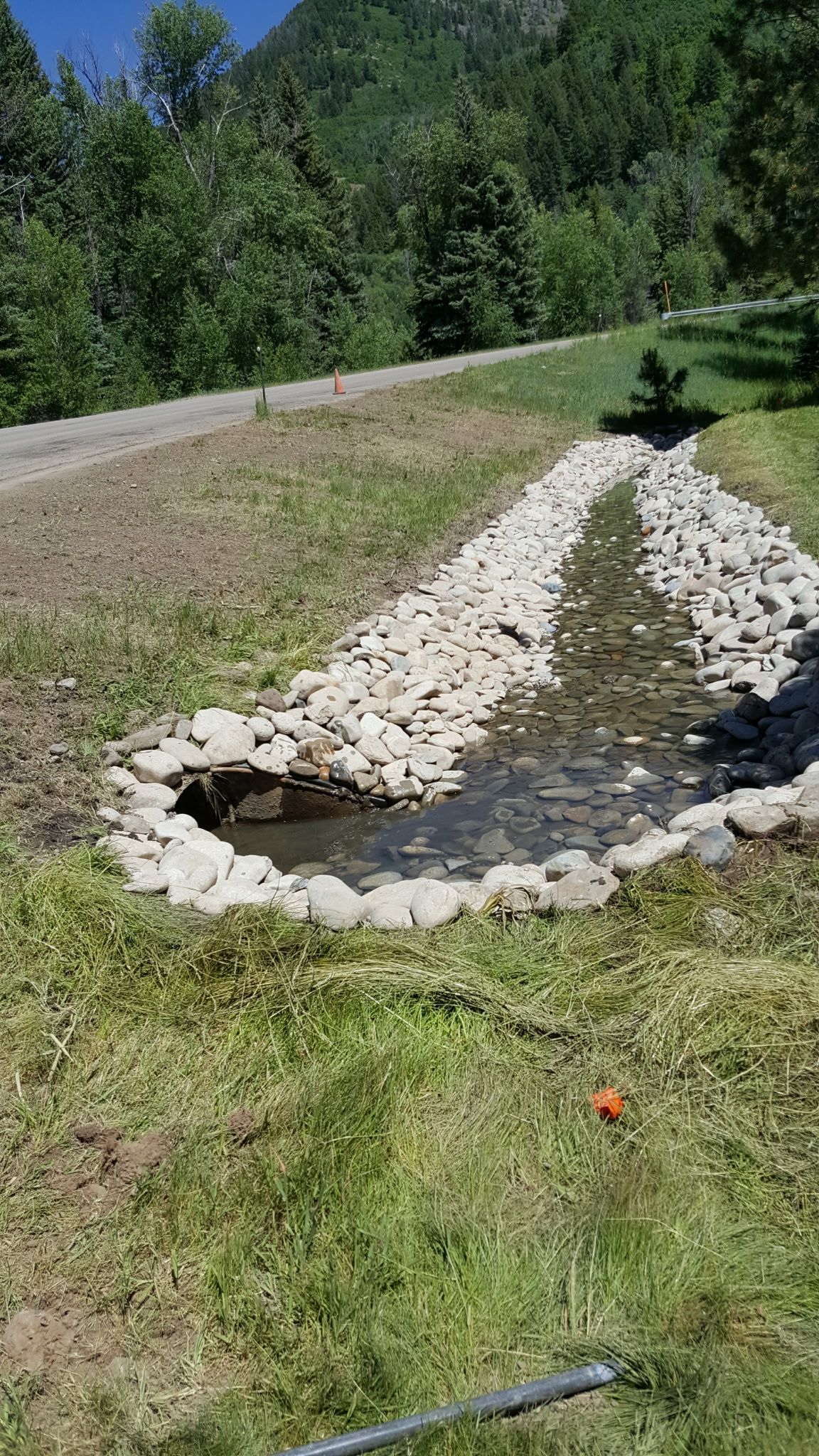
How a Pond Gets Built
Site & Soil Review
We look at the location, how water will reach the pond, and whether the soil will hold it.
Layout Planning
We mark the footprint, depth, bank slopes, and where overflow will be directed.
Excavation
Soil is dug out to depth, and the excavated material is used to build up banks or berms where needed.
Bank Shaping & Compaction
Banks are sloped and compacted so they hold their shape and limit seepage.
Inlet, Outlet & Spillway
Pipes or channels are set so the pond fills properly and overflows without eroding the banks.
Choosing the Right Pond for Your Property
Stock & Farm Ponds
Water for livestock and general ranch use, sized to your needs and the water source feeding it.
Irrigation Storage Ponds
Hold irrigation water so it's on hand when your fields, pasture, or orchard need it.
Retention & Detention Ponds
Catch stormwater from developed land and hold it or release it slowly. These are often required on commercial and subdivision projects.
Irrigation Ditches & Channels
Move water across a property for irrigation, or carry runoff away from fields, roads, and buildings.
When Your Property Would Need Pond or Ditch Work
- You need a dependable water source for livestock.
- Your irrigation ditch is silted in, overgrown, or losing water along the way.
- Stormwater from a new development needs somewhere to go.
- A low spot on your land already collects water and could become a pond.
- An existing pond has filled with sediment, or its banks are eroding.
What to Know Before You Dig a Pond
Do I need a water right to build a pond in Colorado?
Often, yes. A pond that stores water from a stream, ditch, spring, or groundwater usually needs a water right or approved plan in Colorado, though some stormwater ponds are treated differently. Check with the Colorado Division of Water Resources before you build.
How much does pond excavation cost?
Pond excavation cost depends on the size and depth of the pond, soil conditions, whether a liner or added clay is needed, how much material has to be moved or hauled, and site access. We look at the location, then quote the job.
Will my pond hold water?
That depends on the soil. Clay-heavy soils often seal well once they're compacted, while sandy or gravelly ground may need added clay or a synthetic liner. We check the soil before digging.
How deep should a pond be?
It depends on how the pond will be used. Many ponds include a deeper section to cut down on evaporation and algae, with gentler slopes along the edges for safety and easier access.